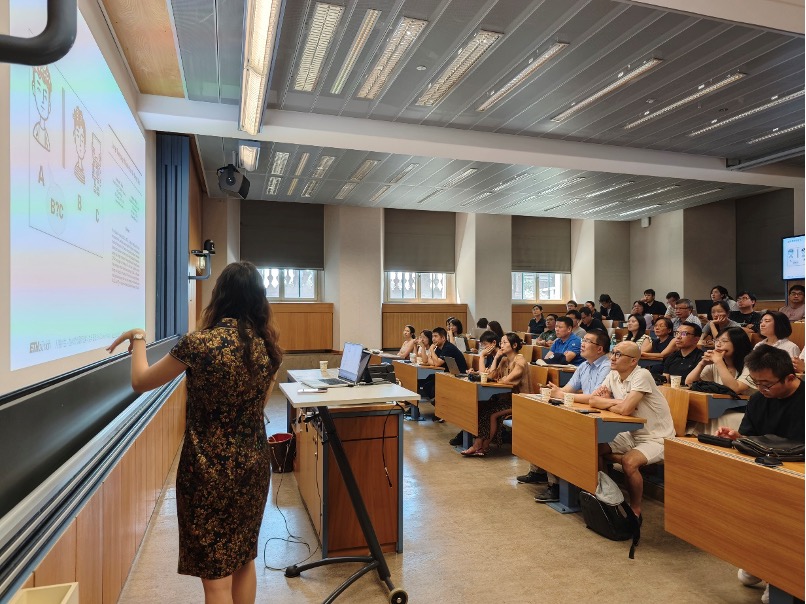
人工智能正在重塑我们理解世界的方式。而在这场变革中,有些学者与科技从业者走在时代的前沿——她他们在推动技术发展的同时,更以人本视角引导人工智能技术走向教育、设计、社会等更深广的领域。 本次活动荣幸邀请到苏黎世联邦理工学院计算机科学系的王奕教授,保罗谢尔研究所高级研究员李晓丹博士,苏黎世联邦理工能源所崔璨博士,宇树机器人的YUKI等几位重磅嘉宾,一起开启一次AI与全领域的深度对话。 Section 1 | 主题演讲: AI与跨学科的偶遇 时间:13:20–13:30 开场介绍 13:30–14:30 主题演讲 主题:Advancement of Computer Science 主讲人:Prof. Yi Wang ETH Zürich 计算机科学系助理教授 Programming, Education, and Computer-Human Interaction Lab (PEACH Lab) 负责人|Institute for Intelligent Interactive Systems核心成员|ETH HCI成员|Swiss HCI成员 王教授以其在人机交互和教育技术领域的开创性研究,正在重新定义“编程”的本质与“人-机”关系的未来。 王奕教授的研究集中于人机交互(HCI)与教育科技(EdTech)。 编程是一项高度依赖协作与沟通的社会性活动。那么,编程是否可以超越“给机器下达指令”的传统定义?如果我们将编程视为一种文学形式——不仅是写给计算机的语言,更是人与人之间的交流工具——又会发生怎样的转变? 这种从“面向机器”到“以人为本”的视角转变,有潜力从根本上改变我们设计、书写、教学与理解代码的方式。在对“可阅读性/文学化编程”(literate programming)范式的重新思考中,王奕教授的研究致力于探索如何使编程变得更自然、更易于沟通,超越我们今天所依赖的工具(如集成开发环境、交互式编程环境,计算型笔记本、开发文档、教程等)。她尝试用更具创造性的方式来表达代码,包括文本、图形、动画、交互式探索、编辑历史、日常物品、隐喻等多种形式,以推动代码在人与人之间的理解与传递。
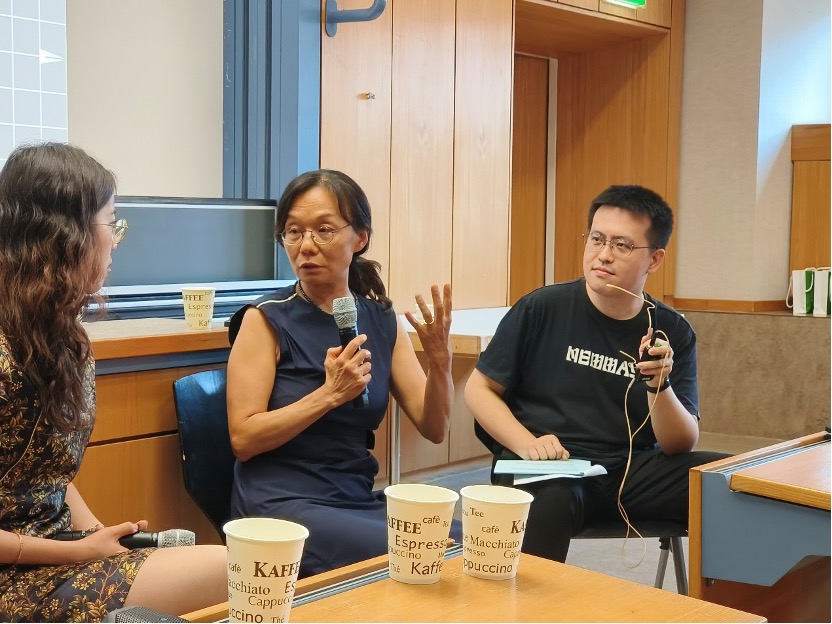
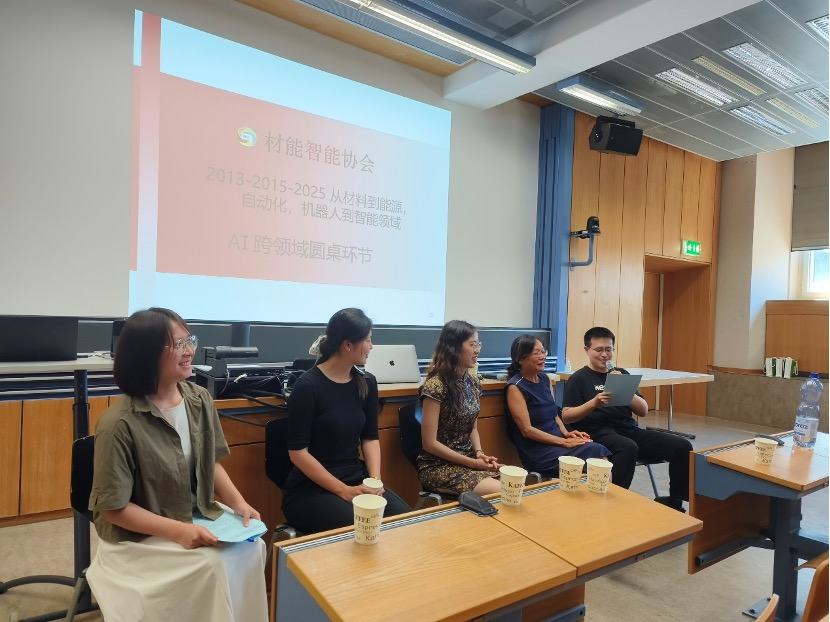
Section 2 | 圆桌论坛 时间:14:45–16:30 主题:AI and its Interdisciplinary Crosslink 始于第一部分主题报告,计算机,生物,能源,智能领域的行业大咖将在苏黎世顶峰相见,并通过圆桌环节进一步探讨AI如何在生物、能源和机器人等领域中激发“偶遇”并延伸新时代的可能。 圆桌嘉宾: Dr. Xiaodan Li PSI终身高级研究员,专注于膜蛋白结构、功能和动力学的基础研究, 长期专注于用最新的技术解决生命医学中最重要而且最富有挑战性的膜蛋白结构,功能和动力学的基础研究,并且促进把基础研究中获得的信息转化到生物医药,化学和环保中的应用。李博士是这个行业中的先行者之一。 Dr. Can Cui ETH能源与过程工程研究所博士后研究员,关注减缓和适应气候变化中的能源系统转型。 Yuki 宇树科技欧洲代理人,力推具身智能的产业发展。
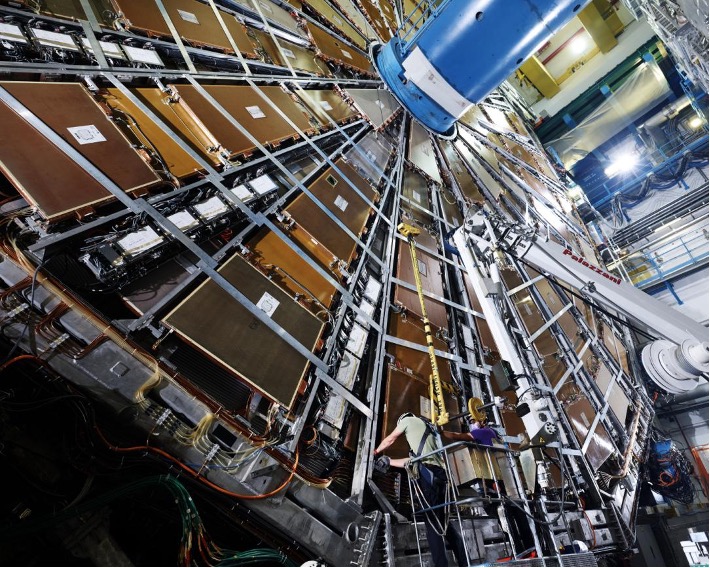
ATLAS是运行在LHC上的四个主要实验装置之一,也是目前世界上最庞大和能量最高的粒子物理实验装置,其探测器系统直径长达25 m, 径向长度为46 m,其质心系能量高达14 TeV。ATLAS实验合作组现有成员约6000人,成员国家42个,成员单位182家,其覆盖了全球的顶级院校和研究所。ATLAS实验装置自1997年开始建设,2008年开始运行。2012年发现了“上帝粒子”Higgs粒子的存在,检验了粒子物理标准模型,并推动2013年诺贝尔物理学奖授予希格斯机制的发现者。
Please note that visits to the underground areas are not allowed for: pregnant women, minors under the age of 16, as the underground areas visited are classified as supervised radiation areas.
Persons with reduced mobility (e.g. wheelchair, walking stick, difficulty to walk), as a considerable number of stairs going up and down two floors are present along the path (52 steps in total) as well as a narrow passage.
Persons carrying cardiac pacemaker and implantable defibrillator bearers, as in localized areas the magnetic flux density may reach 5 mT. Specific recommendations may apply to other implants or medical devices sensitive to magnetic fields (e.g. electronic medecine dispensers, metallic implants). In this case, please check with your doctor.
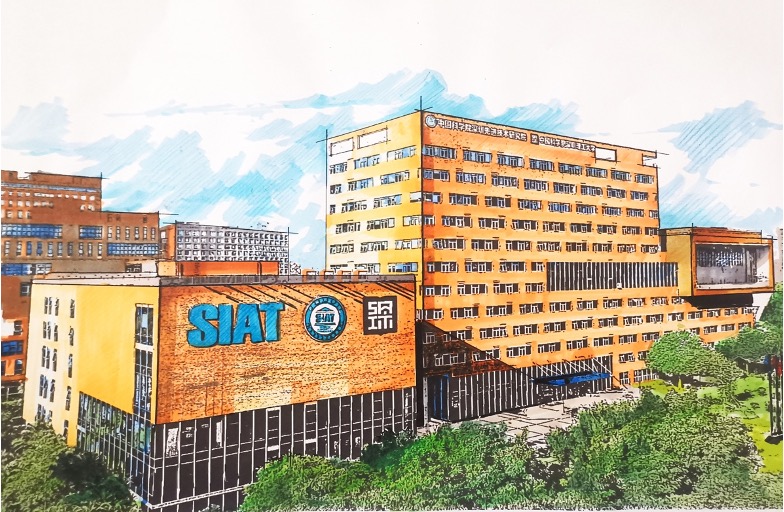
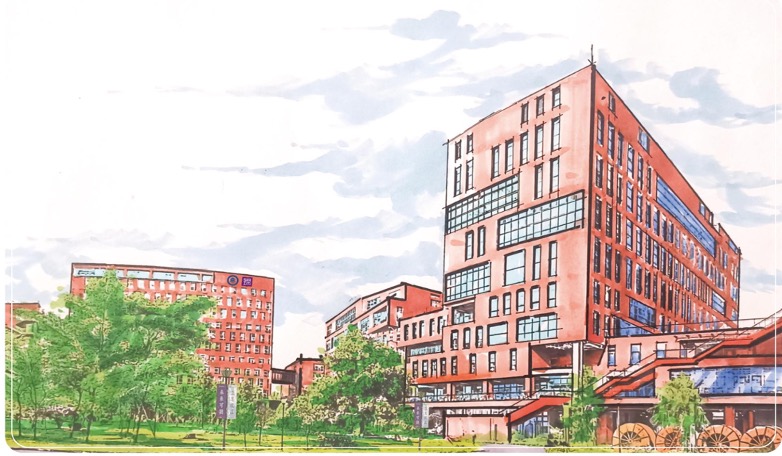
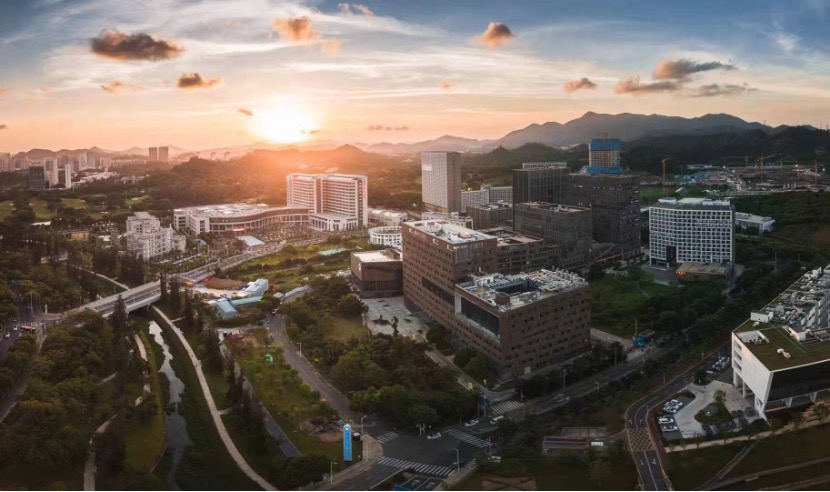
中国科学院、深圳市人民政府及香港中文大学经友好协商与合作,于2006年2月在深圳市共同建立了中国科学院深圳先进技术研究院(Shenzhen Institute of Advanced Technology, Chinese Academy of Sciences,英文简称SIAT,以下简称“深圳先进院”),实行理事会管理,探索体制机制创新。
On February 18, Chinese Association of Material Science and Energy Technology in Switzerland (CAMSETS),jointly with the Association of Chinese Students and Scholars in Zurich (ACSSZ) and the Youth Branch of the Chinese Association of Science and Technology, organized 46 Chinese scholars and business representatives to visit the European Nuclear Center (CERN) on the French-Swiss border in the northwest suburb of Geneva. CERN has the world’s largest particle physics laboratory and provides accelerators and other infrastructure for high-energy physics research.
In 2012, physicists detected the predicted fundamental particle–the Higgs boson, by using CERN’s Large Hadron Collider (LHC) to, for which Francois Englert and Peter Higgs won the 2013 Nobel Prize in Physics.
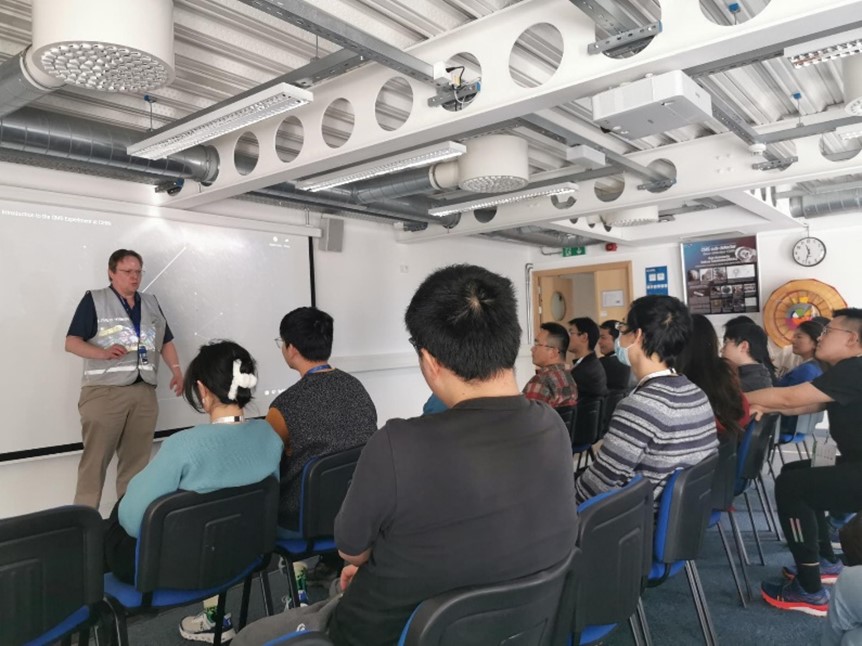
观看希格斯玻色子影片,并认真聆听科学家的讲解
Watched a video about the Higgs Boson and discussed the details with CERN’s scientist
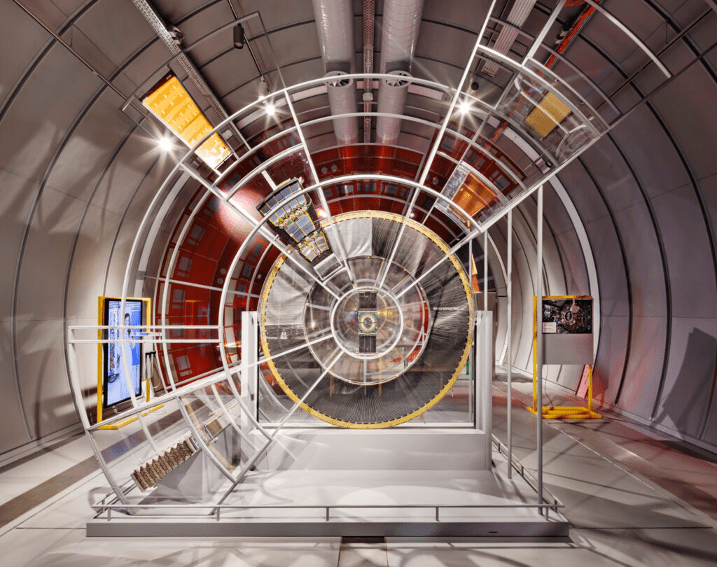
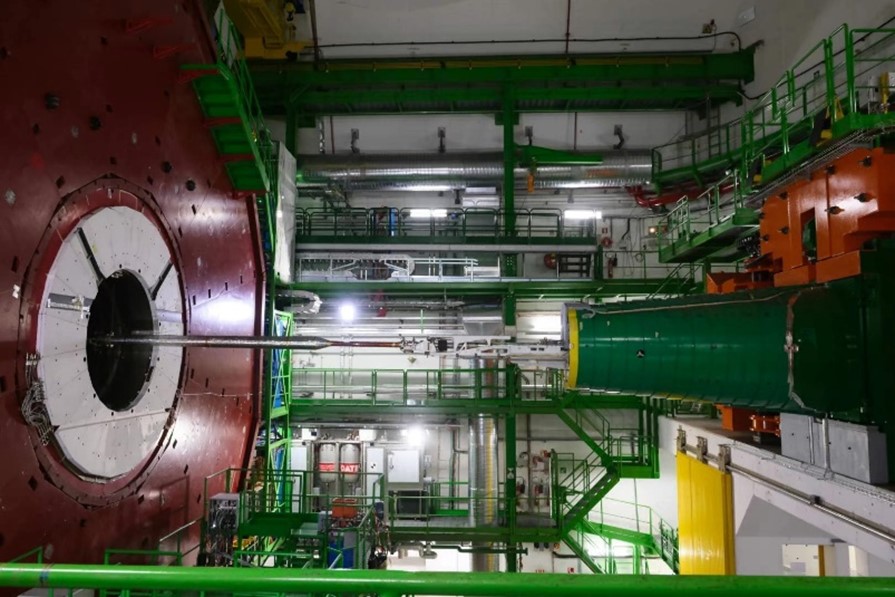
在CERN的大型强子碰撞型加速装置的小型介子螺线管,用于研究亚原子粒子的行为
Compact Muon Solenoid at CERN’s Large Hadron Collider, for examine the behavior of subatomic particles
CERN的科学家带领大家参观反物质中心,并讲解了反物质的引力行为
CERN’s scientist the Anti-matter research center, and explained the gravitational behavior of anti-matter
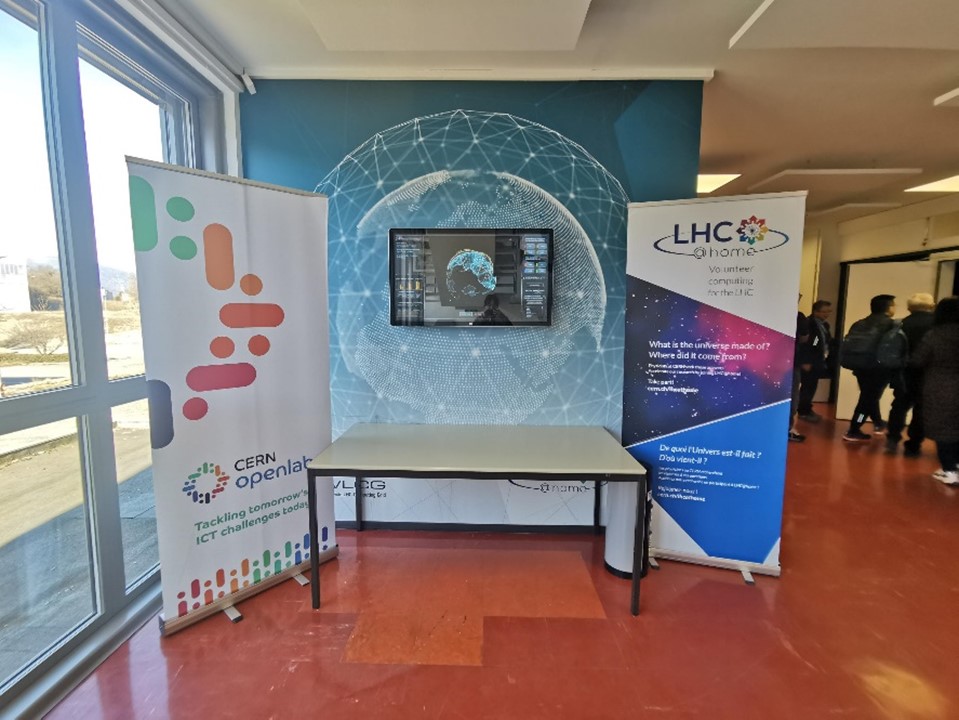
万维网在1989年被CERN的科学家发明
The web «World Wide Web» was invented at CERN in 1989
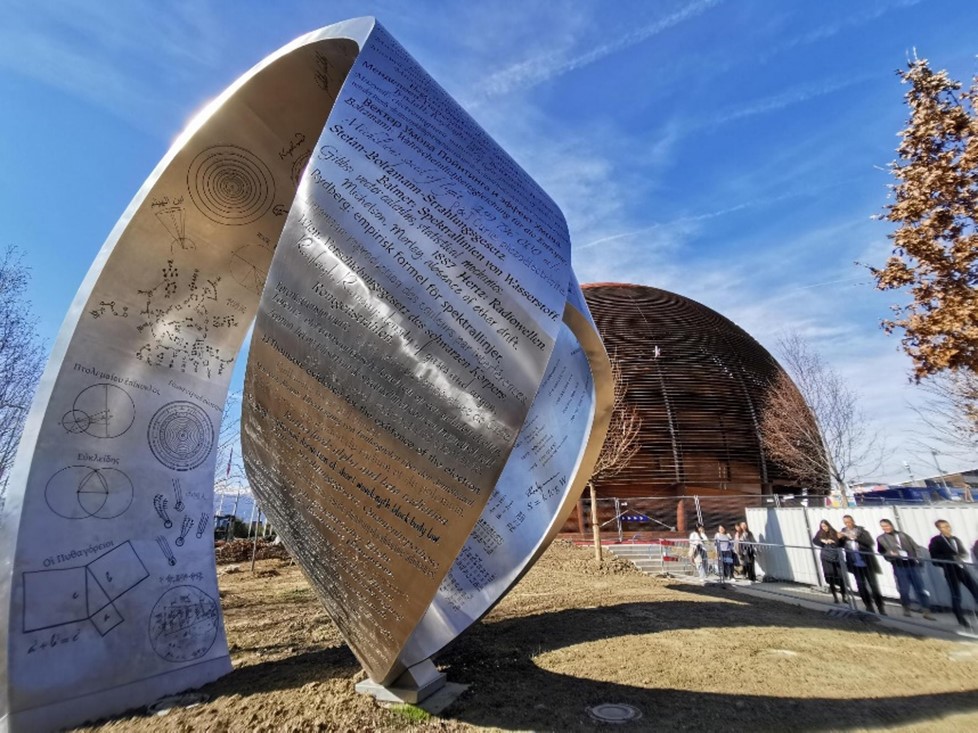
位于CERN科学与创新球馆旁边的一座重达 15 吨的钢制雕塑
A 15-tonne steel sculpture next to the Globe of Science and Innovation in CERN
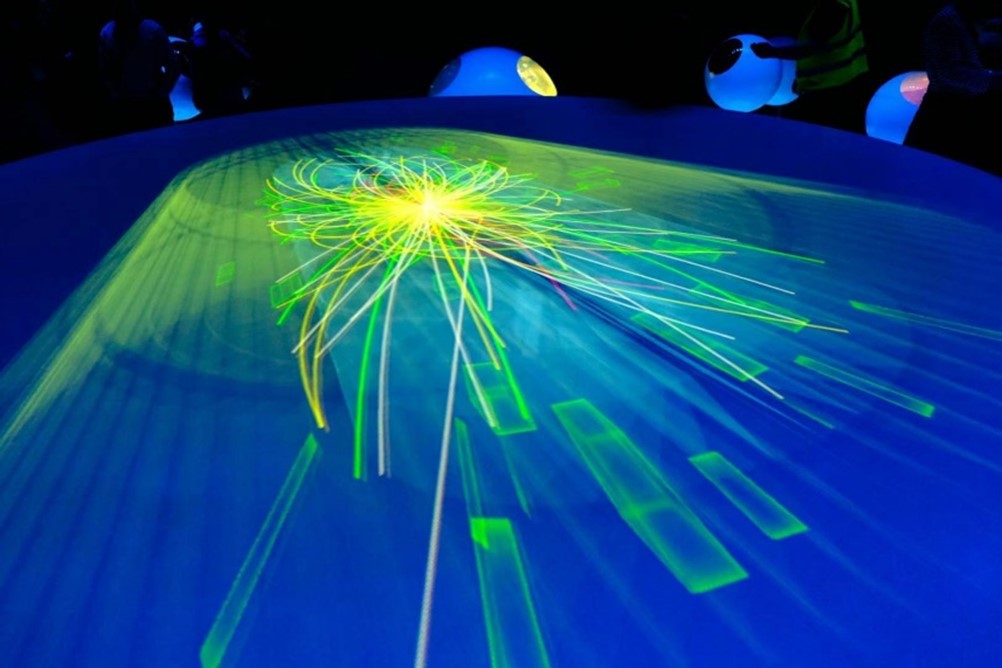
在创新球馆愉快的观看关于宇宙的光影视频
Enjoy watching the light video about the universe inside the Globe of Science and Innovation
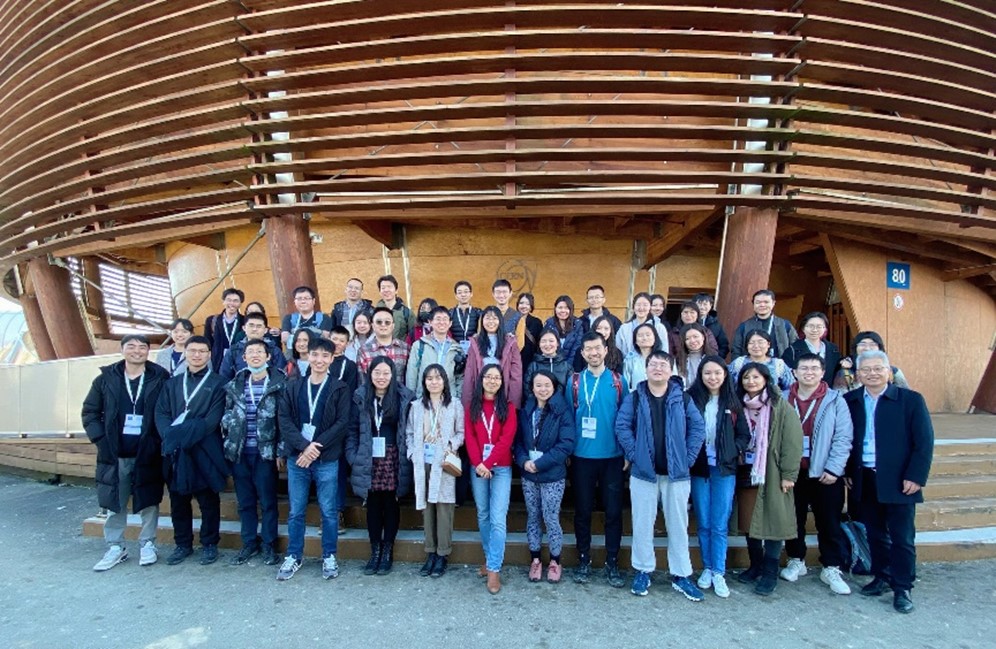
一起参加活动的46名中国学者和企业代表合影留念
A group photo of 46 Chinese scholars and business representatives who participated in the event
Please note that visits to the underground areas are not allowed for: pregnant women, minors under the age of 16, as the underground areas visited are classified as supervised radiation areas.
Persons with reduced mobility (e.g. wheelchair, walking stick, difficulty to walk), as a considerable number of stairs going up and down two floors are present along the path (52 steps in total) as well as a narrow passage.
Persons carrying cardiac pacemaker and implantable defibrillator bearers, as in localized areas the magnetic flux density may reach 5 mT. Specific recommendations may apply to other implants or medical devices sensitive to magnetic fields (e.g. electronic medecine dispensers, metallic implants). In this case, please check with your doctor.
中国科学院、深圳市人民政府及香港中文大学经友好协商与合作,于2006年2月在深圳市共同建立了中国科学院深圳先进技术研究院(Shenzhen Institute of Advanced Technology, Chinese Academy of Sciences,英文简称SIAT,以下简称“深圳先进院”),实行理事会管理,探索体制机制创新。
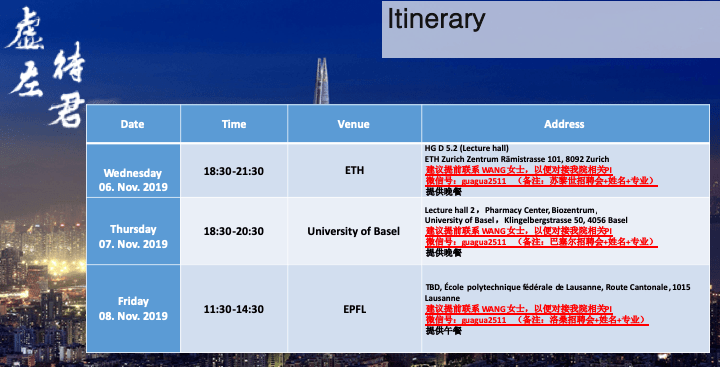
The leaders of the Shenzhen Institute of Advanced Technology of the Chinese Academy of Sciences held three job fair events at the ETH Zürich, University of Basel and EPFL respectively on 6th, 7th and 8th November, 2019. The Chinese Association of Material Science and Energy Technology in Switzerland and the Associations of Chinese Students and Scholars especially in Zurich (ACSSZ), Basel (ACSSB) and Lausanne (CSSL) jointly assisted organizing such a three-days job fair. Wang Rui, the director of the Personnel Department of the Advanced Institute, hosted the event. Academician Prof. Fan Jianping, dean of Shenzhen Advanced Research Institute of the Chinese Academy of Sciences, Prof. Xu Jianbin, the professor of Advanced Materials Research Institute, director Dr. Yuan Hai, director of Nansha Institute of Advanced Institute, Dr. Yuan Shuguang, Institute of Advanced Medicine, and over 150 students and scholars in total from Switzerland, France or Germany, attended the meeting.
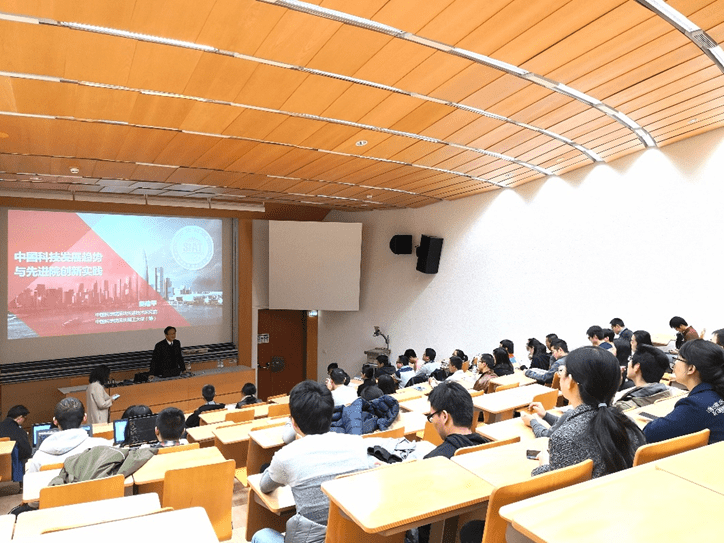
先进院海外招聘会苏黎世场在ETH Zurich举行
Recruitment of Excellent Talents of Shenzhen Institutes of Advanced Technology, Chinese Academy of Science, was held at ETH Zurich
先进院海外招聘会巴塞尔场在巴塞尔大学举行(图中为先进院人力资源处处长汪瑞女士进行介绍)
Recruitment of Excellent Talents of Shenzhen Institutes of Advanced Technology, Chinese Academy of Science, was held at University of Basel. (Wang Rui, Director of the Personnel Department of the Advanced Institute)
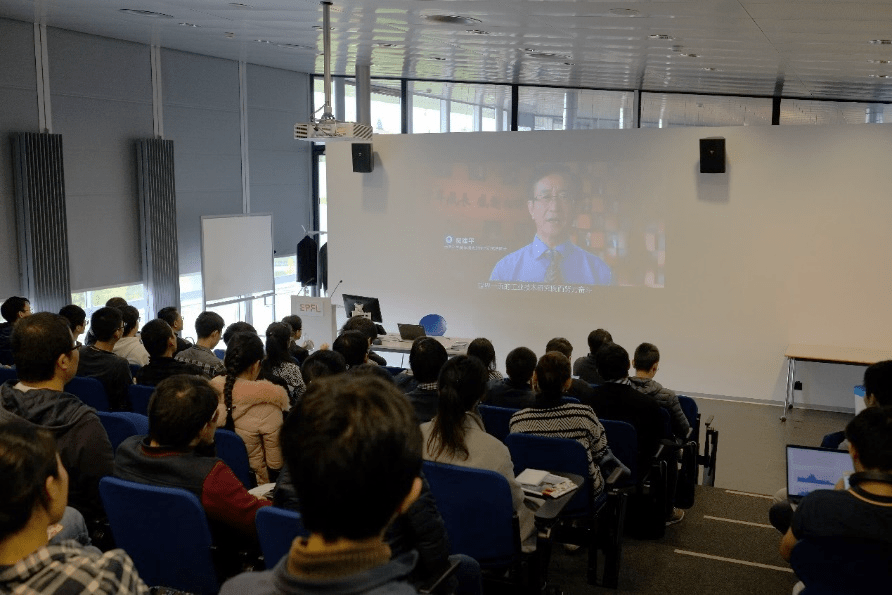
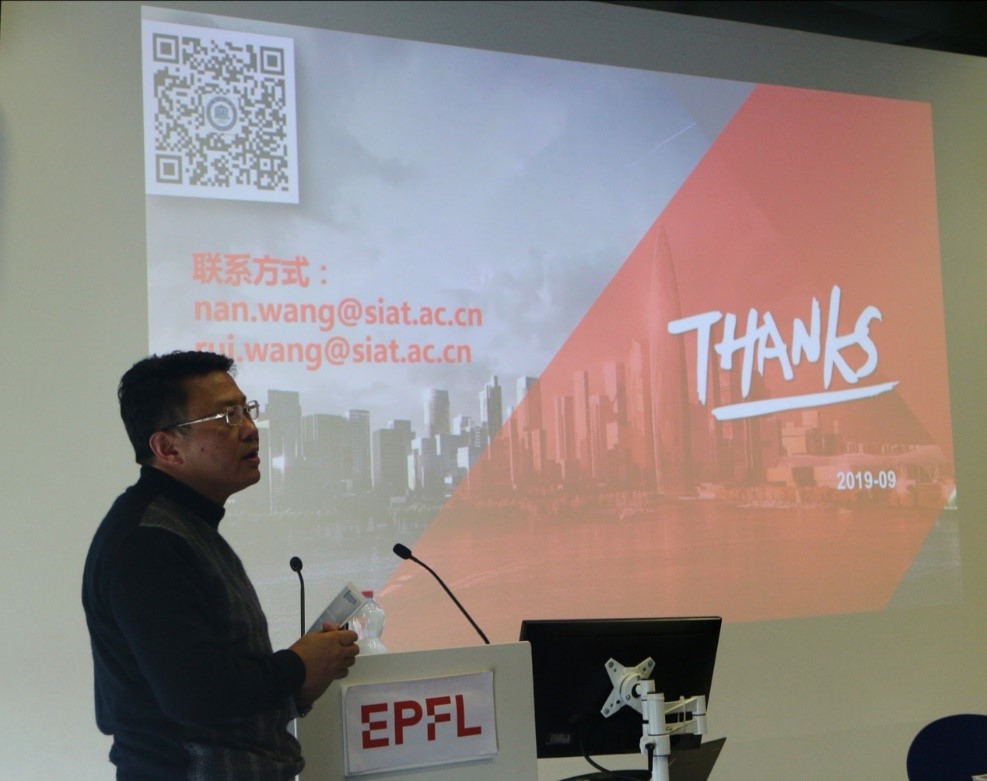
中国科学院深圳先进技术研究院海外欧洲招聘会洛桑场在EPFL举行
Recruitment of Excellent Talents of Shenzhen Institutes of Advanced Technology, Chinese Academy of Science, was held at EPFL
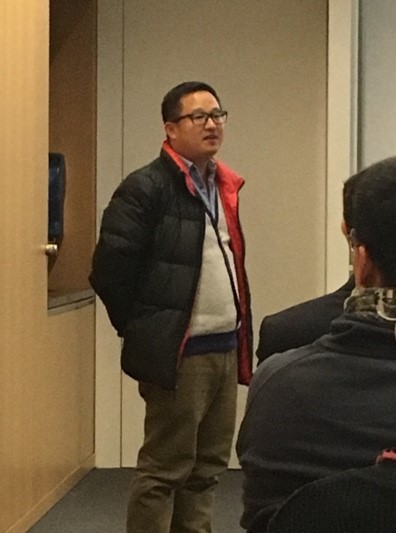
Director Fan Jianping introduced the tendency of technique development of China and the innovation in practice of Shenzhen Institute of Advanced Technology of the Chinese Academy of Sciences. After that, Academician Fan introduced structure of the institute and research scheme, which includes health and medical treatment, robotics and big data, and smart city, large talents scale with high quality, adequate funds and rich products of research and industrialization.
先进院院长樊建平介绍先进院的历史和发展现状
Prof. Jianping Fan, President of SIAT, speaking on history and development of SIAT
Dr. Yuan Shuguang from the Institute of Advanced Medicines introduced the basic situation of the Institute. Dr. Yuan Hai, director of the Nansha Institute of Advanced Institute, called on environmental science related scholars to consider joining the research team in Nansha, introduced the key laboratory of membrane and the research on the separation and purification of marine natural products. Dr. Xu Jianbin from the Institute of Advanced Materials, as a professor at the Institute of Integration, briefly introduced 10 to 11 research centers in the Institute, as well as popular research directions such as robotic auditory vision related directions and interactive control.
Prof.
Jianbin Xu introducing Institute of Advanced Materials Science and Engineering,
which consists of 3 research units mainly focusing on Electronic Materials,
Functional Materials and Energy Materials.
南沙所所长袁海介绍自动化与智能控制研究方向
Prof. Hai
Yuan introducing activities of Guangzhou Institute of Advanced Technology
(GIAT) in the fields of automation and intelligent control
医药所袁曙光研究组的成员介绍计算机辅修药物设计
Dr. Shuguang Yuan (left) and his group member (right) introducing Computer-aided design of medicine
Director Wang conducted an end of the summary. Emphasizing that Shenzhen
Advanced Researcher is the only scientific research institution of the Chinese
Academy of Sciences in Shenzhen with strong financial and policy support. The
Institute welcomes and supports young scholars to apply for thousands talent
plan, or consider applying for the Peacock Project and the 100-member program
of the Chinese Academy of Sciences and other high-level talent programs.
在三场招聘会后的中餐自助环节,在场学者与先进院教授老师们积极交流,并投递简历。
After the meeting, the leaders of
the institute chat personally with scholars and students during the Apéro.
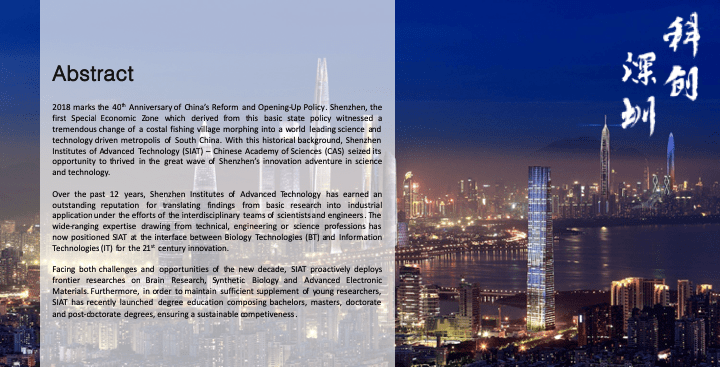
Shenzhen Institutes of Advanced Technology (SIAT)-Chinese Academy of Sciences in Shenzhen was jointly established by Chinese Academy of Sciences (CAS), the Chinese University of Hong Kong (CUHK), and the Shenzhen Municipal Government in 2006. Over the past 12 years, SIAT has earned an outstanding reputation for translating findings from basic research into industrial application under the efforts of the interdisciplinary teams of scientists and engineers. The wide-ranging expertise drawing from technical, engineering or science professions has now positioned SIAT at the interface between biology technologies (BT) and information technologies (IT) for the 21st century innovation
What we do?
Brain Research
Brain Connectome and Behavior
Cognitive Science and Intelligence Technology Neurodevelopmental and Neurodegenerative Diseases
Gene Editing Brain Disease Model
Synthetic Biology
Synthetic Biology and System Biology
Synthetic Genomics
Synthetic Biochemistry
Synthetic Microbiome
Advanced Materials
Materials Science and Engineering
Advanced Electronics and Energy Materials
Biomaterials and Tissue Engineering
Marine Biomedical Materials
Optical Functional Biomaterials, Biomimetic Materials, Material Interfaces
Membrane technology and related application
Artificial Intelligence
Big Data and Cloud Computing
Application of High-Performance Big Data
Biomedical Information Technology
Advanced Manufacturing and Intelligent Equipment
Medical Engineering and Biomedicine
Biomedical Imaging
Biomedical Optics and Molecular Imaging
Computer-lead New Drug Discovery
Medical Imaging and Digital Surgery
Medical Robotics and Minimally Invasive Surgical Devices
Neural Engineering
Micro/Nano Systems and Bionic Medicine
Nano-manipulation and Biomechanics
Nano-medicine, Peptide Drugs and Nano-vaccines
Antibody Drugs, Macromolecular Drugs
Process engineering in the extraction and purification of kampo or plants
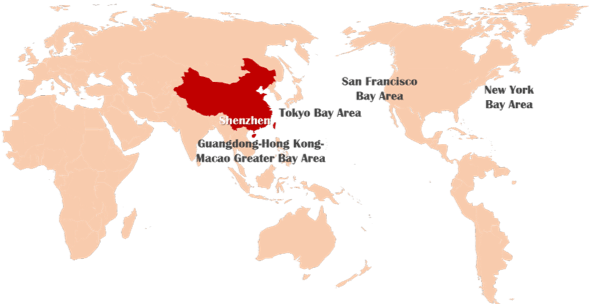
SIAT aims to consistently boost the
innovative capacity of the various high-tech industries in the known Asia’s
Silicon Valley region (Shenzhen-Guangdong-HongKong), actively promote the
development of modern possessing their own proprietary intellectual property,
and become a world-class industrial research institute. Over the past 12 years,
SIAT has made significant achievements in human resource development, academic
research and technology Transfer.
To meet the nation’s needs in healthcare
and automation industry, SIAT focuses on emerging industries such as low-cost
healthcare, service robots, electric vehicles, cloud computing, digital cities,
nano-medicine, new energy and new materials.
By far SIAT has established partnerships
with more than 1000 firms including Huawei, Midea and China International
Marine Containers (Group) Ltd., among others. It has attracted over 2000
million CHF of industrial investment which incubated 727 high-technology
companies in total.
SIAT has also established long-term cooperative
ties with many foreign academic and research institutions, including Stanford
University (USA), Massachusetts Institute of Technology (MIT), NICTA
(Australia), TRLabs (Canada), the University of Hamburg (Germany), the
University of Southampton (UK) and many other institutions.
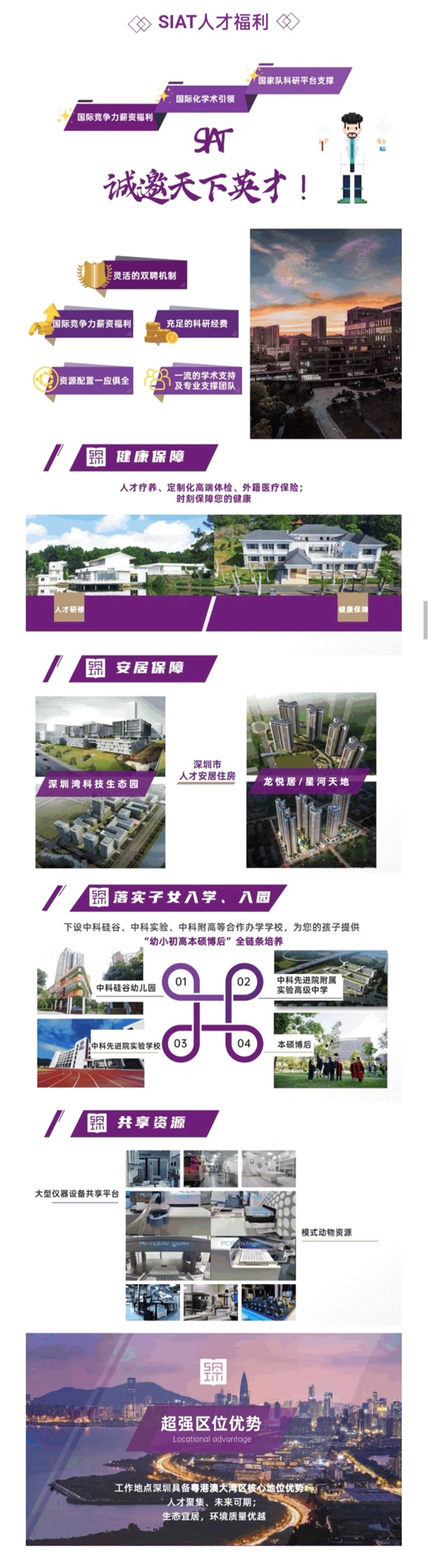
Shenzhen Institute of Technology – Chinese Academy of Sciences is an independent, full-time university jointly constructed and managed by the Chinese Academy of Sciences and Shenzhen City. Shenzhen Institute of Advanced Technology – Chinese Academy of Sciences is supported by Shenzhen Institute of Science and Technology – Chinese Academy of Sciences. Shenzhen Institute of Technology and SIAT will start with jointly recruiting, jointly training graduate students and sharing scientific research platforms. We will gradually realize the integration and development. The Shenzhen University of Science and Technology of the Chinese Academy of Sciences will provide you different choices and look forward to your joining.
Please send your
CV (with cover letter), full text of representative works to Ms.Wang. CV
should include education background, work experience, concurrent academic jobs,
research projects, accomplishments, citation situations, intended position and
contact information.
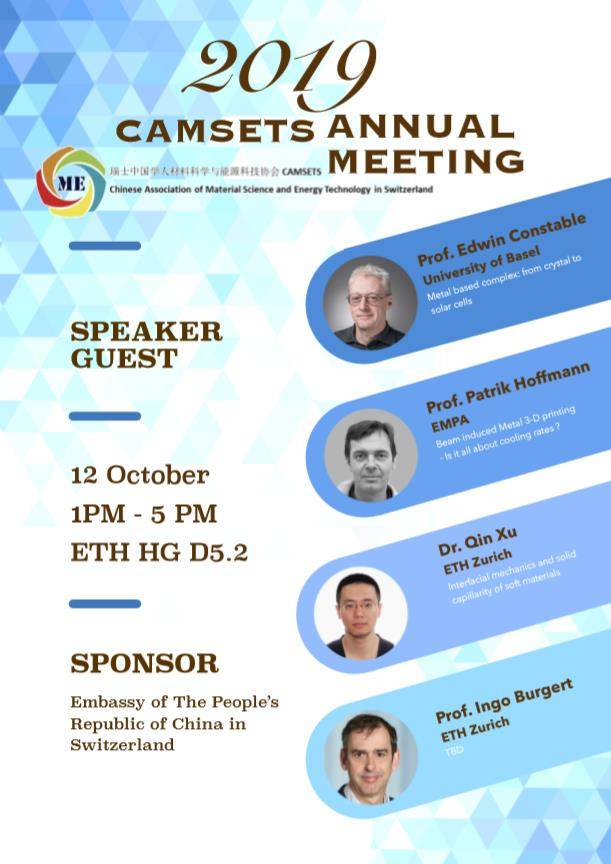
Founded as the branch of CASTS (Chinese Associate of Science and Technology in Switzerland) in 2013, the Chinese Associate of Material Science and Energy in Switzerland (CAMSTS) committed to providing a communication platform for young materials science pioneers from China and Switzerland and improving academic connection and collaboration. We’ve devoted many efforts into developing various scientific campaigns relating to materials science. The 2019 Annual Meeting will witness the transition of council, and continue to promote interdisciplinary communications on hot topics of materials science and energy, where you can expect any detailed discussions based on cutting edge science and technology, as well as keynote lectures given by well-known scientists.
感谢使馆与科协对本次活动的支持,我们将根据报名人数提供简单餐饮,名额有限,请提早报名参加。
Thanks for the support from the Embassy and CASTS. We will provide meals based on the amount of people signed in. The quota is limited, so we recommend early registration.
Prof. Edwin (Ed) ConstableMetal based complex: from crystal to solar cellsUniversity of Basel,Department of Chemistry
14:00 – 14:50
Prof. Patrik HoffmannBeam induced Metal 3-D printing – Is it all about cooling rates?Empa Thun, Laboratory for Advanced Materials Processing
14:50 – 15:40
Dr. Qin XuInterfacial mechanics and solid capillarity of soft materialsETH Zürich, Department of Materials, Laboratory of Soft and Living Materials
15:40 – 16:30
Prof. Ingo BurgertTBDETH Zürich, Department of Civil, Environmental and Geomatic Engineering
16:30 – 16:35
Closing RemarkDr. Jun Que
16:35 – 16:50
Leadership Transition
17:00
Apero
报告嘉宾简介/ Invited speakers
Prof. Edwin Constable
Edwin Constable completed his D.Phil at Linacre College, University of Oxford. He was appointed to a University Lectureship and Fellowship of Robinson College in 1984. He remained at Cambridge until 1993 when he was appointed Professor of Inorganic Chemistry at the University of Basel (Switzerland). In 2000 he left Basel to take up a position as Professor of Chemistry at the University of Birmingham (England) where he was shortly appointed Head of School. He returned to the University of Basel as Professor of Chemistry in 2002.
He publishes widely in all areas of chemistry with over 600 peer-reviewed publications and is highly cited (20,800 citations, h-index 72). He has been Dean of Research of the faculty of Natural Sciences at the University of Basel and was Vice-President of the University with responsibility for research 2011-2018. He is a member of the steering committee of the European Universities Association Council for Doctoral Education, the executive committee of the Swiss National Science Foundation and is a titular member of Division VIII of IUPAC.
He is a Fellow of the Royal Society of Chemistry. He is or has been on the Editorial Boards of numerous journals, including Chemical Communications, Chemical Reviews, etc. He is currently one of the editors in chief for “Comprehensive Coordination Chemistry III” to be published by Elsevier and is on the Management Board of the Open Access Publisher MDPI. He has recently been appointed Editor-in-Chief for a new open access journal “Chemistry – an International Journal”.
Prof. Patrik Hoffmann
Patrik Hoffmann carried out his PhD thesis at EPFL, in Lausanne in Switzerland. After a postdoctoral fellowship at IBM ARC, San Jose (USA), he returned to EPFL as project leader before joining Gramm Technik (Germany), an electrochemical company, as dental section manager. From 1997 to 2009, he carried out research on Laser Micro-Processing and Focused Electron Beam Induced Processing (FEBIP) at EPFL. Since 1997, he is teaching in micro-engineering and materials sciences at EPFL. Hoffmann won the EPFL Innovation award 2006. In April 2009 he was nominated head of the Laboratory of Advanced Materials Processing at Empa, the Swiss Federal Laboratories for Materials Science and Technology in Switzerland, continuing teaching at EPFL as adjunct professor.
He is co-author of more than 130 peer reviewed journal papers and inventor or co-inventor of half a dozen patents. He acted as organizer or co-organizer of several international conferences. He serves as board member of SVMT, Euro-CVD, NTN Innovative surfaces, head of the laser processing unit of swiss photonics network, and member of scientific advisory boards of some companies. Patrik Hoffmann is guest professor at Nagoya Institute of Technology in Japan and at the Shengzhen Technology University in China. His present research interest is in advanced processing technologies in 3-D printing and laser processing and replication technologies.
Dr. Qin Xu
Qin Xu is presently a postdoctoral scholar in ETH Zurich, Department of Materials, Laboratory of Soft and Living Materials. He obtained his Ph.D. in Physics from University of Chicago with the thesis title “Shear thickening in dense granular suspensions” in 2015. He will be appointed Tenure-track Assistant Professor of Physics at Hong Kong University of Science and Technology (Hong Kong, China) from March 2020.
He was a talent of the Hundred Talents Program (Class I) of the Chinese Academy of Sciences in 2018. He won the ETH Seed Grant Award and Invited lecturer of DMATL Colloquium from ETH Zurich in 2019. His publications are highly cited (1,300 citations) and he was invited to talk at several International Conferences and Seminars.
He is now the vice president of Alumni Association of Fudan University in Switzerland and is referee for ACS Macro Letters, Tribology Letters, Transactions on Biomedical Engineering, and CMSE 2014. His present research interest are Surface mechanics of soft materials, Solid capillary, Bio-interfaces and Design of advanced optical microscopy.
Prof. Ingo Burgert
Ingo Burgert has been a Professor of ETH Zurich for Wood Materials Science, at the Institute for Building Materials in the Department of Civil, Environmental and Geomatics Engineering, since 2011. He studied wood science and technology at the University of Hamburg, Germany and obtained a PhD at the Institute for Wood Biology of the same university in 2000. He went on to work from 2000 to 2003 as a postdoc at the Institute of Physics and Materials Science of BOKU, the University of Natural Resources and Life Sciences in Vienna, Austria. From 2003 to 2011 he was research group leader “Plant Biomechanics and Biomimetics” at the Max Planck Institute of Colloids and Interfaces, Department of Biomaterials, Potsdam, Germany
Professor Burgert’s research focus is on the nanostructural and micromechanical characterization of wood and fiber composites and their modification in order to optimize material properties.
























 瑞士中国学人材料能源与智能科技协会